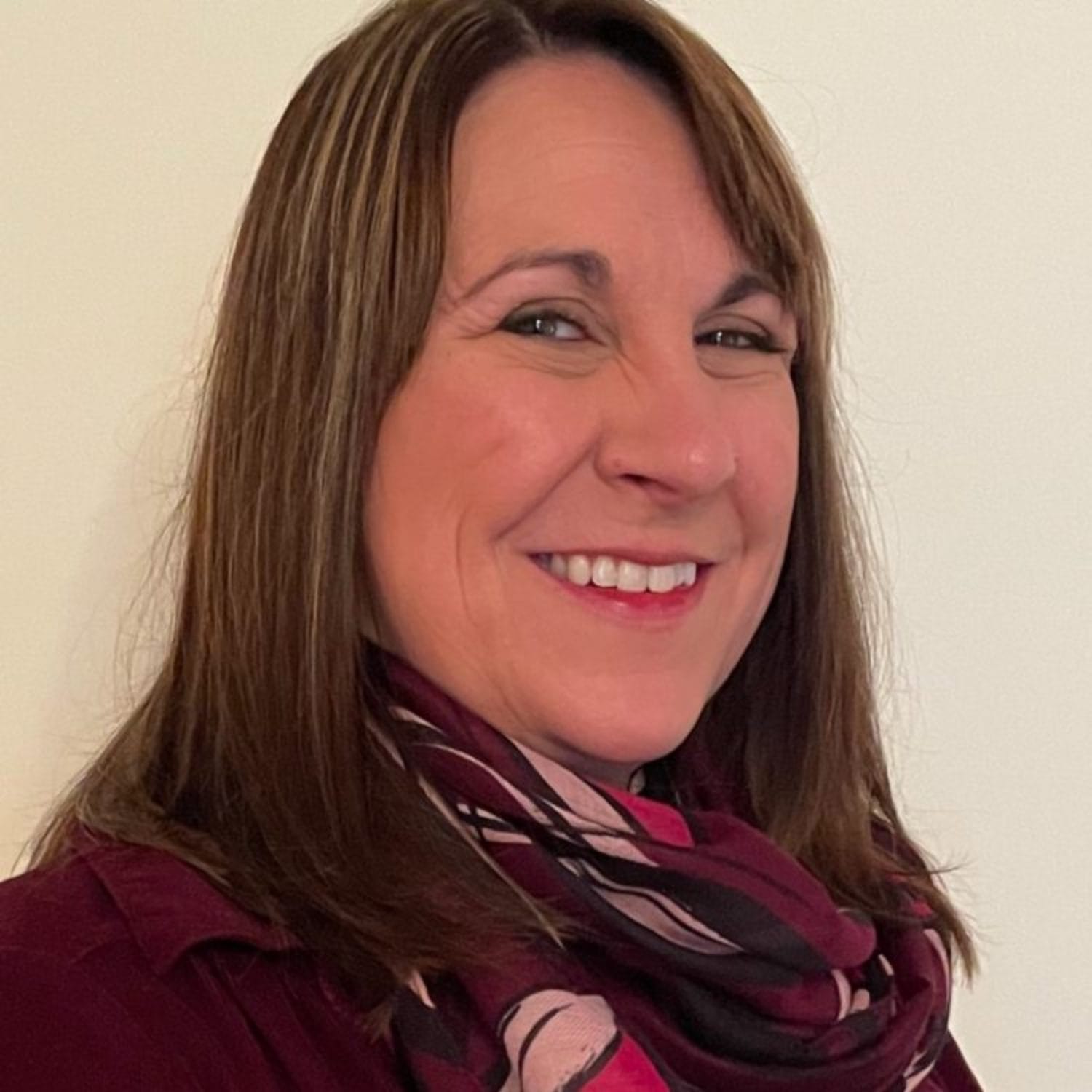

- by Dr Rebecca Baxter
For pupils with Down syndrome, research shows a distinctive learning profile with strengths to build on and challenges to support. By adapting teaching approaches, resources and environments, we can ensure that every child can thrive in school.
If you’re just starting out, you may want to start by reading our guide to helping a child with Down syndrome settle into primary and our guide to the learning profile of a child with Down syndrome here.
The learning profile
Pupils with Down syndrome often present with an uneven learning profile. This means they may demonstrate strong abilities in some areas while experiencing significant difficulties in others. Recognising this variability allows teachers to provide more targeted and effective support.
Learning from listening
More than 80% of children with Down syndrome experience hearing difficulties. Verbal short-term memory (remembering what has been said) and
auditory processing (understanding spoken information) are also specific challenges associated with Down syndrome.
These challenges can make it harder to follow instructions, learn new vocabulary, and process classroom information.
Teaching strategies:
Ensure regular hearing checks and follow audiology recommendations
Reduce background noise and seat the pupil in an optimal listening position (near the front)
Support spoken language with visuals and gestures
Provide extra practice and repetition
Begin speech and language interventions early and maintain them throughout schooling
Learning from looking
Visual short-term memory and visual learning is a strength for many children with Down syndrome. They are often able to retain information they see better than what they hear. However, vision difficulties and visual fatigue are also common.
Teaching strategies:
- Make sure recommendations around vision are followed, for example pupil is wearing their glasses and they are clean, font size is appropriate (min 20+), lines are dark, and pens make clear and dark marks
- Provide clear, bold, uncluttered visual supports (objects, pictures, words, symbols)
- Model tasks explicitly – “show rather than tell”
- Incorporate repetition, video recordings, and personal books to support learning
- Minimise unnecessary visual distractions in the learning environment as much as possible
Motor skills
Both fine and gross motor skills can be areas of challenge. Pupils with Down syndrome may move more slowly, with less accuracy, which impacts classroom activities such as handwriting, cutting, or participating in PE.
Teaching strategies:
- Be clear on the target
- Offer plenty of opportunities to practise
- Make sure the child has the appropriate equipment such as scissors, pens and pencils
Social skills and behaviour
Social understanding is typically a relative strength. This makes peer interaction and inclusion especially powerful for their learning.
Teaching strategies:
- Explicitly teach and reinforce independence skills from an early age
- Set high but realistic expectations for behaviour look at the expectations for the rest of the class (target these skills and actively teach positive behaviours)
- Foster peer interaction and structured group activities to build confidence and support visual learning
Speech and language
Speech and language are particular challenges associated with Down syndrome, but non-verbal communication can be a strength.
Teaching strategies:
- Use clear, simple language matched to the pupil’s understanding level
- Support verbal instructions with gestures, symbols, or written prompts
- Check for understanding and encourage repetition and rehearsal to support recall as well as supports for memory
- Prioritise opportunities for communication in everyday classroom interactions
Key takeaway
Everyday classroom experiences matter. Embedding strategies into daily routines, not just during targeted interventions, supports generalisation and creates the richest opportunities for pupils with Down syndrome to thrive.
Need specialised support?
DSUK’s Primary Education Programme offers expert-led training, information and ongoing support for school staff to successfully support pupils with Down syndrome in primary school.
Share this post
Facebook
Twitter
WhatsApp
LinkedIn
Email
Author
 Director of Education and Speech and Language Therapy
Dr. Rebecca Baxter as our Director of Education and Speech and Language Therapy. Becky is a speech and language therapist who specialises in Down syndrome and has worked with babies through to young adults with Down syndrome. Becky is also involved in a number of research projects across speech, language and education issues associated with Down syndrome. Becky completed her PhD in 2023 at University College London, which involved developing and evaluating a language intervention for children with Down syndrome. Becky is passionate about supporting speech and language therapists and is currently chair of the Down Syndrome Clinical Excellence Network. She has delivered training to speech and language therapists across the UK and internationally.
View all posts